
Artificial intelligence is increasingly being used to make or support decisions that affect people’s everyday lives. From loan approvals and insurance assessments to hiring, education, healthcare, and access to public services, automated systems can process large amounts of information and produce decisions quickly. Yet when an AI system makes a decision that negatively affects an individual, an important ethical question arises: What rights does that person have to challenge it?
Automated decision appeals are therefore becoming an important part of responsible AI governance. An effective appeals process must go beyond simply allowing someone to complain. It should provide meaningful fairness, genuine review rights, and sufficient transparency for people to understand why a decision was made and how it can be challenged.
The Importance of Fairness
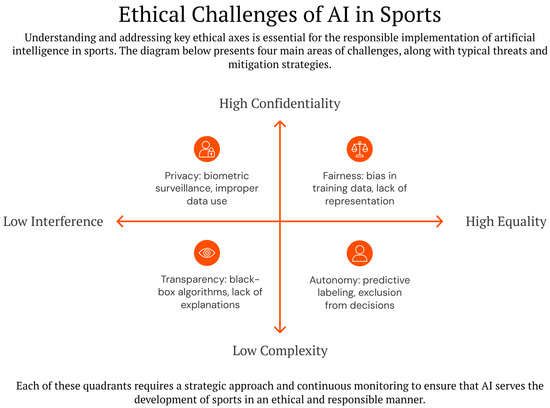
Fairness is one of the central ethical concerns surrounding automated decisions. AI systems learn from data, and that data can contain historical biases or inequalities. Even when sensitive characteristics are not explicitly included, other variables can sometimes act as proxies for characteristics such as race, gender, age, or socioeconomic background.
An appeals process can provide an important safeguard against these problems. People should have an opportunity to challenge decisions they believe are inaccurate, discriminatory, or based on inappropriate information. Importantly, an appeal should not simply send the same information back through the same automated system. There must be a genuine possibility that the original outcome can be changed.
Fairness also requires consistency. People in similar circumstances should have comparable opportunities to appeal, regardless of their technical knowledge, financial resources, or ability to navigate complicated procedures.
The Right to Human Review
A meaningful appeal requires meaningful review rights. If an individual challenges an automated decision, organizations should consider whether a qualified human can examine the case, particularly when the decision has significant consequences.
Human review does not automatically guarantee fairness. A reviewer may simply accept an AI-generated recommendation without questioning it. Effective review therefore requires trained decision-makers who can examine the relevant evidence, identify potential errors, and overturn an automated outcome when appropriate.
Organizations should also establish clear procedures for appeals. Individuals should know how to submit a challenge, what information they can provide, how long the review may take, and what happens after the review. Without these safeguards, an appeal may exist in theory while being ineffective in practice.
Transparency and Explanation
Transparency is another essential element of ethical automated decision-making. People affected by an AI decision should receive enough information to understand the basis of the outcome and determine whether an appeal is worthwhile.
Transparency does not necessarily mean revealing proprietary algorithms or providing complex technical documentation. Instead, organizations can explain the key factors that influenced a decision, identify relevant data that may have been incorrect, and describe the available appeal process in accessible language.
For example, if an automated system rejects an application, simply stating that the application “failed the algorithm” provides little useful information. A better explanation might identify the major factors considered, point out potentially incorrect information, and tell the individual how to request a review.
Avoiding Automation Bias
Automated appeals can create a further ethical problem if organizations use AI to review decisions originally made by AI. Although automation can make appeals faster and less expensive, it can also create a cycle in which an algorithm effectively validates its own decisions.
Human oversight is particularly important in high-impact cases. AI can assist reviewers by organizing evidence, identifying inconsistencies, or highlighting cases that require attention. However, responsibility for the final appeal outcome should remain clear.
Designing Better Appeals
Ethical automated decision appeals should be designed around the person affected by the decision. Organizations should provide accessible appeal channels, reasonable deadlines, understandable explanations, and opportunities to submit additional evidence.
They should also monitor appeal outcomes. If a significant number of automated decisions are overturned, that may indicate problems with the underlying system. Appeals can therefore serve not only as a remedy for individuals but also as a feedback mechanism for improving AI models and organizational policies.
Conclusion
AI can make decision-making faster and more consistent, but efficiency should not come at the expense of individual rights. When automated systems influence important aspects of people’s lives, individuals need meaningful ways to challenge decisions.
A responsible appeals framework combines fairness, meaningful review rights, and appropriate transparency. It recognizes that an automated decision is not necessarily a final decision and that people deserve an opportunity to be heard when technology gets something wrong.
Ultimately, the ethical use of AI depends not only on how accurately systems make decisions, but also on how responsibly organizations respond when those decisions are questioned.


